eDreams is now available in the following countries:
Europe

Asia
Oceania
Or you can visit ourglobal site
Book cheap flights to Tokyo
Flights
Hotels
Flight + Hotel
Car hire
Date
Date
1
Explore the best deals
Discover the cheapest flights to Tokyo
Filter by
Tue, 02 Jun - Thu, 11 Jun

Peach AviationDirect
Taipei - Tokyo

ScootDirect
Tokyo - Taipei
3196R
2989R
Tue, 12 May - Fri, 15 May

Jeju AirDirect
Seoul - Tokyo

Air SeoulDirect
Tokyo - Seoul
3670R
3436R
Sun, 14 Jun - Sun, 21 Jun

Jetstar JapanDirect
Hong Kong - Tokyo

Hong Kong Express AirwaysDirect
Tokyo - Hong Kong
4050R
3774R
Wed, 20 May - Sun, 31 May
Hong Kong Express AirwaysDirect
Hong Kong - Tokyo
Hong Kong Express AirwaysDirect
Tokyo - Hong Kong
4468R
4167R
Tue, 30 Jun - Fri, 03 Jul
Peach AviationDirect
Shanghai - Tokyo
Peach AviationDirect
Tokyo - Shanghai
5335R
5009R
Fri, 01 May - Mon, 04 May
Peach AviationDirect
Seoul - Tokyo
Jeju AirDirect
Tokyo - Seoul
5491R
5141R
Tue, 02 Jun
Jetstar JapanDirect
Osaka - Tokyo
536R
502R
Sat, 16 May
Jetstar JapanDirect
Sapporo - Tokyo
654R
614R
Sun, 03 May
Jetstar JapanDirect
Sapporo - Tokyo
-18 % Prime price per passenger
1214R
1000R
Wed, 20 May
Air SeoulDirect
Seoul - Tokyo
1270R
1183R
Fri, 12 Jun

ZipairDirect
Seoul - Tokyo
1595R
1497R
Fri, 03 Jul
Jetstar JapanDirect
Shanghai - Tokyo
2665R
2493R
The prices shown on this page were available within the last 20 days for the specified periods and should not be considered the final price offered. Please note that availability and prices are subject to change.
Popular flight routes to Tokyo
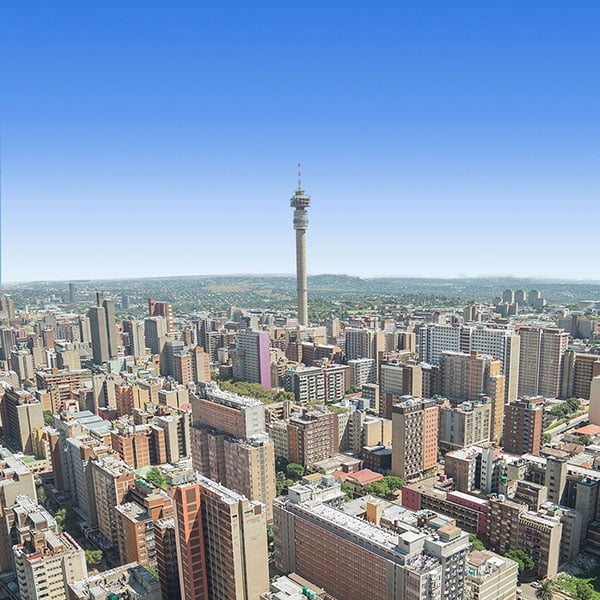
Flights from Johannesburgto Tokyo
-14 % Prime price per passenger
13800R
11867R
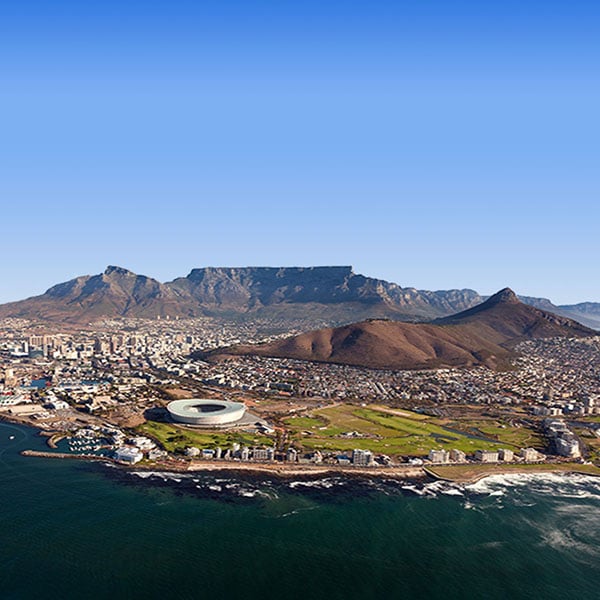
Flights from Cape Townto Tokyo
-16 % Prime price per passenger
11842R
9920R
How long is the flight to Tokyo?
If you’re planning a trip to Tokyo, we at eDreams have checked the most popular routes to help you plan ahead. From Johannesburg, the flight takes about 18h 34m; from Durban, around 19h; and from Cape Town, roughly 19h 54m.Flight Time (in hours)
JohannesburgDurbanCape Town
How much does a flight to Tokyo cost?
At eDreams you can find flights from Johannesburg to Tokyo starting from R 5 969, with an average price of R 16 317. If you depart from other cities such as Durban, you can find tickets from R 7 225, and from Cape Town starting from R 9 188, according to data from the last 72 hours.Filter by
JohannesburgDurbanCape Town
JohannesburgCheapest
Cheapest Price: R 5 969CheapestAverage
Frequently asked questions about flights to Tokyo
How can I find cheap flights to Tokyo on eDreams?
At eDreams you will find flights from R502 to Tokyo. Thanks to the combination of various technologies, machine learning algorithms and real user searches on our platform, you will be able to choose between the different options that best suit your needs when you have to fly to Tokyo.
When's the best time to go to Tokyo?
According to our customers' flight searches, the best time to fly to Tokyo is March.
What are the cheapest airlines flying to Tokyo?
Looking at the prices of our customers' bookings from US to Tokyo, your best bet for cheap flights is:
- Etihad Airways: the average price of a one way flight is R16 656,33 . The average price of a Johannesburg ticket to Tokyo is R16 666,01 and R17 253,00 if you leave from Johannesburg.
- Japan Airlines: a one-way ticket costs on average R17 215,75: this has been calculated taking as a reference the average price of flights of Johannesburg to Tokyo, which amounts to R17 077,70 and that of flights departing from Cape Town, whose average price is R17 284,01.
- Heli Air Monaco: the average price of a one-way ticket is R19 654,80. The flight between Johannesburg and Tokyo costs on average R15 706,35 and the ticket price from Cape Town round the R20 956,48.
How long before a flight to Tokyo should I be at the airport?
If you want to be on time for your flight to Tokyo, you should get to the airport at least two to three hours in advance. Check-ins, security controls, customs, and boarding the airplane can take some time. At eDreams, you can find the best deals for flights to Tokyo departing from over 20 cities and choose from a variety of services that will improve your time at the airport and guarantee a much better travel experience, such as priority boarding and additional luggage. For more convenience, when booking your flight to Tokyo with eDreams you can also add insurance or opt for a refundable fare and have a problem-free trip!
How many airports are in Tokyo and which is the main one?
Tokyo has 2 airport.
Narita International Airport operates domestic and international flights to 20 cities.
Some of the most popular destinations are Pune, Johannesburg and Seoul.
How far is Tokyo’s airport from the city centre?
Tokyo’s airport Narita International Airport is located 51 kms from the city centre.
Plan your trip
Popular CitiesPopular Flight RoutesAlternate routes
- Flights to Johannesburg
- Flights to Durban
- Flights to Sapporo
- Flights to Shanghai
- Flights to Cape Town
- Flights to Okinawa
- Flights to Seoul
- Flights to Sao Paulo
- Flights to Phuket
- Flights to Denpasar-Bali
- Flights to Lahore
- Flights to Osaka
- Flights to London
- Flights to Singapore
- Flights to Windhoek
- Flights to Bangkok
- Flights to Yokohama
- Flights to Atsugi
- Flights to Ibaraki
- Flights to Oshima
- Flights to Shizuoka
- Flights to Matsumoto
- Flights to Miyakejima
- Flights to Fukushima